15+ Professional Chart Templates to Master Data Visualization in 2026
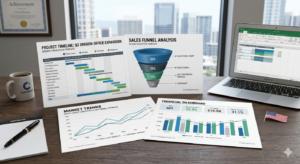 In the modern American workplace, data is king. But raw data alone isn’t enough—you need to tell a story. Whether you are presenting a quarterly sales report in Chicago or analyzing market trends from a home office in Austin, using a professional chart template is the fastest way to turn boring numbers into actionable insights.
A well-designed chart does more than just look good; it builds authority and makes your message clear. If your visual aids are cluttered, your audience will lose focus.
The Most Popular Chart Types for US Professionals
1. Modern Gantt Charts for Project Management
Project managers across the USA rely on Gantt charts to keep teams on track. A clean template allows you to visualize timelines, dependencies, and milestones without the headache of manual formatting in Excel or Google Sheets.
2. Dynamic Sales Funnel Charts
For marketing teams, a funnel chart is essential. Use a template that clearly shows conversion rates at every stage. This is a favorite for “Quarterly Business Reviews” (QBRs) where clarity is paramount.
3. Professional Financial Dashboards
If you are presenting to stakeholders, a multi-chart dashboard—combining line graphs for trends and bar charts for comparisons—provides a comprehensive view of fiscal health. Look for templates with “clean aesthetics” and high contrast.
Why You Should Stop Creating Charts from Scratch
-
Consistency: Templates ensure that all your presentations have a unified “Corporate Identity.”
-
Accuracy: Built-in formulas in templates reduce the risk of manual entry errors.
-
Speed: Save hours of formatting time so you can focus on the actual analysis.
Essential Design Tips for Data Visualization
To ensure your charts meet professional standards (E-E-A-T), follow these simple rules:
-
Declutter: Remove unnecessary gridlines and labels.
-
Color Strategy: Use color to highlight the most important data point, not every single bar.
-
Label Clearly: Ensure every axis has a title and a legend that is easy to read at a glance.
Conclusion
Data visualization is an essential skill in today’s competitive landscape. By utilizing high-quality chart templates, you not only save time but also ensure your insights are heard and understood.
What is your go-to chart for presentations? Share your thoughts in the comments!
