10+ Essential Professional Agreement Templates for Your Business in 2026
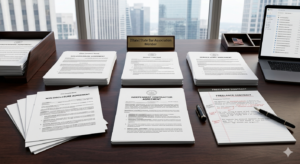 In the United States, a handshake may start a relationship, but an agreement seals the deal. Whether you are a startup founder in San Francisco or a freelance designer in Miami, having a clear, written contract is the most critical step to protecting your assets and your peace of mind. Using a professional agreement template ensures that you cover all essential legal bases without the high initial cost of a customized law firm draft.
While these templates are not a substitute for legal advice from a licensed attorney, they serve as an excellent starting point for outlining expectations and responsibilities.
Key Agreement Templates Every American Entrepreneur Needs
1. Non-Disclosure Agreements (NDA)
Protecting your “Trade Secrets” is vital. Whether you are pitching to an investor or hiring a new developer, an NDA ensures that your sensitive information remains confidential. Look for templates that clearly define “Confidential Information” and the duration of the obligation.
2. Freelance & Independent Contractor Agreements
With the “Gig Economy” booming across the USA, clear contractor agreements are essential. These templates should outline the scope of work, payment schedules, deadlines, and—most importantly—the ownership of intellectual property (IP).
3. Service Level Agreements (SLA)
If you run a service-based business, an SLA defines the standard of service your clients can expect. This is crucial for managing expectations and providing a clear framework for dispute resolution if something goes wrong.
4. Partnership Agreements
Going into business with a friend? A partnership agreement outlines how profits are shared, how decisions are made, and what happens if one partner wants to leave the business. It’s the “pre-nuptial agreement” for your company.
Why a Standardized Template is Better Than No Agreement
-
Clarity: It forces both parties to discuss and agree on difficult details before work begins.
-
Evidence: In the event of a misunderstanding, a written document is your best defense in a small claims court.
-
Professionalism: Presenting a clean, well-structured agreement shows your clients that you take your business seriously.
Essential Clauses to Look For
To ensure your template is robust, make sure it includes these “Big Four” clauses:
-
Termination Clause: How can either party end the agreement?
-
Governing Law: Which state’s laws will apply (e.g., Delaware, California, New York)?
-
Confidentiality: Ensuring private data stays private.
-
Force Majeure: What happens in case of “Acts of God” or unforeseen disasters?
Conclusion
A solid agreement is the foundation of every successful professional relationship. By utilizing high-quality agreement templates, you are not just signing a paper—you are building a fortress around your professional future.
What is the one legal document you find most confusing? Let’s discuss it in the comments below!
